
Commercial & Restaurant FROG
FROG materials are often created at Food Service Establishments (FSEs) as byproducts of food preparation. Restaurants, cafeterias, hospitals, schools, and other FSEs can contribute a lot of FROG to the sewer system. FROG can enter the sewer through dishwashers, floor drains, mop sinks, toilets, or other connections in the facility. When FROG is poured, washed, or flushed down the drain, it can harden in the pipes, blocking openings with rags. This restricts the flow from kitchens and bathrooms and can cause sewage to back up into the business or facility. Cleaning this up is costly and time-consuming, and it can also lead to bad smells, complaints, and even business closures.
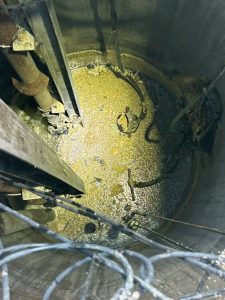
According to the USEPA, restaurants can produce between 800 and 17,000 pounds of uncollected grease from FSEs each year. Lebanon’s Sewer Use Ordinance requires commercial establishments to have grease traps or interceptors to prevent grease from entering the sewer system.
Commercial & Restaurant Best Management Practices:
FSEs can use different best practices to prevent FROG from entering the sewer system and avoid damage or fines. Implementing these practices often saves money by reducing the need for frequent maintenance to fix problems caused by FROG in pipes. The first step is to educate employees about FROG and its effects.
Second, provide reminders in the workplace on proper disposal. This can include posting signs above sinks and dishwashers on the proper disposal methods for FROG.
Simple Rules to Keep FROG Out of the Sewer:
Make sure employees understand how to dispose of FROG properly:

- Don’t pour grease down the drain, even with hot water or soap. It hardens and blocks pipes.
- Don’t pour liquid foods like gravy, milk, shakes, or batter in the drain.
- Don’t put grease, oil, or food scraps in the sink.
- Wipe off all grease and food from pots, pans, and utensils before washing them.
- Pour cooled grease into a recycling container from a grease company. Some local ones are GreenLine, Johnson Septic, Shelton’s Tank Cleaning, and Bruce Septic.
- For small amounts of grease, put it in a sealed container and throw it in the trash.
- Mix oil with coffee grounds or cat litter, seal it in a container, and throw it away.
- Scrape food into the trash before washing dishes.
- Use paper towels to wipe off extra grease and throw them in the trash.
- Use sink strainers to catch food bits. Empty them into the trash.
- Use disposable towels to clean counters.
- Put grill scraps and fryer grease in a grease recycling container.
Commercial & Restaurant FROG FAQs:
What CAN I pour down the drain?
Only water, human waste, and toilet paper should go down the drain. The sewer system is not made for anything else.
What about “flushable” wipes?
No. Even if the package says “flushable,” throw them in the trash. They don’t break down well and can clog pipes.
Why can’t I pour used cooking oil down the drain?
Oil and grease harden in pipes and cause backups in your business, on the street, or in storm drains. Proper disposal helps stop messy and expensive blockages.
Can I dispose of cooking oil in the trash?
Small amounts are okay if they’re in sealed, leak-proof containers. Don’t throw away large amounts – it might leak and cause problems.
How do I reduce the amount of FOG entering the sanitary sewer?
- Scrape food into the trash after cooking.
- Wipe grease off pans with a paper towel before washing.
- Seal and throw away small amounts of grease or oil in the trash.
Does my facility require a Grease Trap or Interceptor?
Yes. All food businesses must have a grease removal device to keep oil and grease out of the sewer.
Why should I maintain my grease removal device and reduce the amount of grease going down the drain?
- Grease builds up and causes clogs, bad smells, pests, and backups.
- Cleaning blocked pipes is expensive and raises costs for everyone.
- Less grease means less cleaning and lower costs for your business.
May I use chemicals, enzymes, or bacteria in my grease control mechanism or my drains?
No. These products only keep grease liquid long enough to reach the sewer, where it cools and sticks to pipes, causing big problems.
How often should my Grease Removal Device be cleaned?
Clean it regularly—how often depends on how fast it fills. Refer to the manufacturer’s directions.
- At 25% full, it starts to lose effectiveness.
- At 50% full, grease flows straight through to the sewer.
Additional Resources
More information can be found from the following sources:
49 Things You Should Never Flush or Pour Down the Drain
Controlling Fats, Oils, and Grease Discharges from Food Service Establishments – EPA
Flushable Wipes Are Causing Superknots in Sanitary Sewer Systems
Grease Trap and Interceptor Wastes – IDEM
Fats, Oils, and Grease: The Right and Wrong Way to Dispose of FOG Video Provided by the National Restaurant Association
FOG (Fats, Oil and Grease) – YouTube Provided by Columbia County, Georgia
FOG… Fats, Oil and Grease….. – YouTube Provided by Long Beach Utilities
FOG – Fats, Oils and Greases – YouTube Provided by Regional District of Central Okanagan